
OverviewThe agribusiness sector includes primary production, processing, storage, distribution, and export of food and agricultural inputs. Investment opportunities span farmland, controlled environment agriculture, protein supply chains, grain handling, irrigation systems, and value added processing assets. Each segment plays a role in converting biological production into reliable and scalable economic output.Returns are influenced by yield optimisation, cost discipline, supply chain positioning, and access to domestic and export markets rather than speculative price movements alone. Long term contracts, off take agreements, and vertical integration reduce volatility and enhance predictability of cash flows. This allows investors to participate in food system growth while managing exposure to seasonal and market driven risks.Explore how institutional capital structures agricultural assets for stability, scale, and long term value creation.
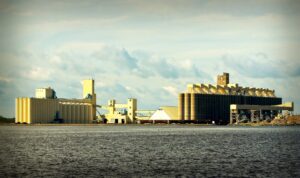 Investment opportunities span farmland, controlled environment agriculture, protein supply chains, grain handling, irrigation systems, and value added processing assets. Each segment plays a role in converting biological production into reliable and scalable economic output.Returns are influenced by yield optimisation, cost discipline, supply chain positioning, and access to domestic and export markets rather than speculative price movements alone. Long term contracts, off take agreements, and vertical integration reduce volatility and enhance predictability of cash flows. This allows investors to participate in food system growth while managing exposure to seasonal and market driven risks.Explore how institutional capital structures agricultural assets for stability, scale, and long term value creation.
Why Invest?Agribusiness offers structural resilience due to the essential nature of food and agricultural inputs. Demand is underpinned by global population expansion, urbanisation, and dietary shifts toward higher value food products. At the same time, supply constraints driven by climate stress, land scarcity, and rising input costs create conditions for disciplined operators to generate durable returns.From an investment perspective, agribusiness provides inflation pass through characteristics, asset backed downside protection, and diversification benefits. Institutional strategies prioritise assets with strong operating management, modern infrastructure, and sustainable practices that protect long term productivity. Governance, traceability, and environmental stewardship are increasingly central to preserving asset value and market access.
 Agribusiness offers structural resilience due to the essential nature of food and agricultural inputs. Demand is underpinned by global population expansion, urbanisation, and dietary shifts toward higher value food products. At the same time, supply constraints driven by climate stress, land scarcity, and rising input costs create conditions for disciplined operators to generate durable returns.From an investment perspective, agribusiness provides inflation pass through characteristics, asset backed downside protection, and diversification benefits. Institutional strategies prioritise assets with strong operating management, modern infrastructure, and sustainable practices that protect long term productivity. Governance, traceability, and environmental stewardship are increasingly central to preserving asset value and market access.
ROI ExpectationsAgribusiness returns are typically derived from a combination of operating income, asset appreciation, and efficiency gains over time. Rather than relying on short term commodity cycles, institutional portfolios focus on stable margins, yield improvements, and scale efficiencies that compound gradually. Cash flows are often supported by recurring harvest cycles and contracted sales arrangements.Risk adjusted returns are evaluated across weather exposure, input cost volatility, and market access. Through diversification across crops, geographies, and value chain segments, agribusiness investments aim to deliver consistent performance across cycles while maintaining capital preservation. The result is a return profile aligned with long term investors seeking stability, real asset exposure, and sustainable growth.
 Agribusiness returns are typically derived from a combination of operating income, asset appreciation, and efficiency gains over time. Rather than relying on short term commodity cycles, institutional portfolios focus on stable margins, yield improvements, and scale efficiencies that compound gradually. Cash flows are often supported by recurring harvest cycles and contracted sales arrangements.Risk adjusted returns are evaluated across weather exposure, input cost volatility, and market access. Through diversification across crops, geographies, and value chain segments, agribusiness investments aim to deliver consistent performance across cycles while maintaining capital preservation. The result is a return profile aligned with long term investors seeking stability, real asset exposure, and sustainable growth.